
"Patience is a Super Power" - "The Money is in the waiting"

Wednesday, January 29, 2025

A shadow war is brewing under the worlds oceans. Release "The Kraken"!


In recent months there have been increasing attacks on this critical infrastructure. In the Baltic, cables and pipelines critical to Europe have been attacked. A Chinese ship has been caught cutting undersea cables to Taiwan. These types of attacks are increasingly significant.  

Western countries are concerned Russia is sabotaging subsea cables that transmit 99% of the world’s data, including an estimated US$10 trillion a day in financial transactions. In response, the North Atlantic Treaty Organization (NATO) launched its new Baltic Sentry mission earlier this month after several cables under the Baltic Sea were damaged or severed in 2024, allegedly by Russia-backed vessels. On Sunday, Swedish authorities seized a ship suspected of damaging a data cable running under the sea to Latvia.

Enter, Canada's Kraken Robotics!

TSXV: PNG - OTCB: KRKNF

Assessing the Claims

  1. Attacks on Undersea Infrastructure in the Baltic

    • In late September 2022, explosions severely damaged the Nord Stream 1 and 2 gas pipelines in the Baltic Sea. While investigations are ongoing, many observers regard these incidents as deliberate sabotage, underscoring the vulnerability of critical undersea infrastructure.
    • Beyond the pipelines, there have also been reports of suspicious damage to undersea data cables in Northern Europe (e.g., the Shetland/Faroes cables), though conclusive proof of who (if anyone) orchestrated such damage is difficult to obtain.
  2. Undersea Cables Cut Near Taiwan

    • In February 2023, two undersea cables connecting Taiwan’s outlying Matsu Islands to Taiwan’s main island were severed in close succession. Investigations pointed to two different vessels—a suspected Chinese fishing boat for one cable and a cargo vessel (originating from another country) for the other.
    • While Taiwanese officials noted that these incidents could have been accidental (for instance, fishing boats often drag anchors or nets along the seafloor), they also acknowledged the possibility of deliberate interference. However, there was no publicly disclosed “smoking gun” that conclusively proved sabotage by the Chinese government.
    • To date, most reporting on these events stops short of declaring that a Chinese ship was definitively caught in the act of maliciously cutting cables. Rather, the incidents have heightened concerns about Beijing’s potential to disrupt Taiwan’s communications in a future crisis.
  3. Why Undersea Cables Matter

    • Global Data Backbone: Roughly 95%–99% of international data—encompassing financial transactions, internet traffic, diplomatic communications—travels via fiber-optic cables on the ocean floor.
    • Economic Impact: With many trillions of dollars’ worth of daily transactions dependent on cable integrity, any disruption can cause immediate financial and logistical turmoil.
    • Geopolitical Significance: Because these cables are so crucial, adversaries view them as both a strategic vulnerability and a potential pressure point in times of conflict. Tapping or cutting cables can yield intelligence or inflict economic damage.
  4. Attribution and Challenges

    • Difficulty of Policing: The ocean floor is vast, and cables are often unguarded; investigating a cable break in deep waters can take days or weeks, and the cause (accident vs. sabotage) can remain unclear.
    • Cover of ‘Accidents’: Fishing nets, anchors, or natural disasters (like underwater landslides) regularly cause cable damage, making it easier for saboteurs to hide malicious intent behind plausible deniability.
    • Legal/Operational Hurdles: Even if a country suspects sabotage, gathering and publicizing irrefutable evidence can be diplomatically and legally fraught, especially in disputed or international waters.

Key Takeaways

  • Confirmed Sabotage vs. Suspicion: Incidents in the Baltic (Nord Stream pipelines, reported cable damage) highlight the real possibility of state actors targeting undersea infrastructure. However, public, conclusive proof of exactly who carried out each incident remains limited or contested.
  • Taiwan Incidents: While there is evidence that Chinese vessels were involved in damaging cables near Taiwan’s Matsu Islands, it is not definitively established that these were intentional acts of sabotage. Nonetheless, the incidents have raised legitimate concern about how easily Taiwan’s communications links could be disrupted—whether accidentally or deliberately.
  • Strategic Vulnerability: Undersea cables (and pipelines) are indeed an attractive target in any “shadow war” scenario. Their disruption can yield outsized consequences due to how critical they are to global finance, internet access, and military coordination.

Ultimately, while it is accurate to say there have been suspicious or outright damaging incidents involving pipelines and cables in the Baltic and off Taiwan, the leap to a confirmed global campaign of deliberate cable-cutting—especially attributing it to specific nations—warrants caution. What is clear, though, is that states are increasingly aware of (and concerned about) the strategic leverage these underwater chokepoints represent and NATO navies are paying close attention!

the information below represents a synthesis of what has been widely discussed lately, in open reporting and strategic analyses.


1. The Strategic Importance of Baltic Sea Cables

  • Data Backbone: Over 95% of global internet, voice, and data traffic travels via undersea cables. An estimated US$10 trillion or more in financial transactions moves across these cables daily.
  • European Connectivity: The Baltic Sea is crisscrossed by critical cables linking Northern European countries (Sweden, Finland, Estonia, Latvia, etc.) both to each other and to the wider global network. Disruptions there can cause significant economic and communications fallout.
  • Recent Focus: Over the past few years, the Nord Stream pipeline sabotage (September 2022), damage to a Finland-Estonia gas pipeline and communications cable (October 2023), and now alleged cable breaks between Sweden and its neighbors have drawn heightened attention to potential hostile activity under the Baltic.

2. Growing Concerns About Russian Sabotage

  • Post–Nord Stream Anxiety: While the September 2022 Nord Stream explosions (involving the Nord Stream 1 and 2 gas pipelines) remain officially unsolved, many Western officials suspect a state actor’s involvement. This incident highlighted how vulnerable undersea infrastructure can be to sabotage.
  • Pattern of Suspicious Activity: Various European defense analysts and intelligence agencies have pointed to an uptick in Russian naval and “research” vessel presence near critical undersea routes—though direct evidence tying those vessels to sabotage remains largely classified or circumstantial.
  • Accidents vs. Deliberate Action: Cables and pipelines do sometimes get damaged by fishing nets, anchors, or natural events. However, the frequency and timing of recent incidents have fueled suspicions that some are deliberate.

3. NATO’s Response: The “Baltic Sentry” Mission

  • Enhanced Monitoring: NATO has been steadily increasing its maritime patrols and surveillance across the Baltic Sea region, especially after multiple undersea incidents.
  • Baltic Sentry: While NATO has a range of standing naval forces and maritime missions (e.g., Standing NATO Maritime Groups), reports suggest a more focused initiative—referred to by some as the “Baltic Sentry” mission—has been launched to coordinate intelligence-sharing, patrols, and rapid-response capabilities specifically aimed at safeguarding undersea cables and pipelines.
    • Note: Official NATO communications sometimes use different names or do not disclose detailed operational codenames. “Baltic Sentry” may be an umbrella term used in media/analyst circles, or an internal working name for a bolstered presence in the region.

4. The 2024 Incidents and Cable Breaks

  • Multiple Cable Damages: In 2024, a series of incidents saw several undersea data cables in the Baltic either severely damaged or severed outright. Sweden, Finland, Estonia, and Latvia each reported unexpected outages.
  • Attribution Theories: Western defense officials have repeatedly pointed to Russia-backed vessels or pro-Russian “private” actors as prime suspects, though public “smoking gun” evidence can be sparse.
  • Motives: Sabotaging cables can:
    1. Undermine civilian and military communications.
    2. Generate economic disruption.
    3. Send a geopolitical signal of capability to strike “behind the scenes.”

5. Sweden’s Seizure of Suspected Vessel

  • Incident Summary: On a recent Sunday (as reported), Swedish authorities seized a ship suspected of damaging a data cable linking Sweden to Latvia.
  • What We Know
    • Location: The cable break occurred in Swedish territorial (or near-territorial) waters of the Baltic Sea.
    • Suspicious Activity: Local media quoted Swedish coast guard or navy sources who believed the vessel may have been operating with specialized equipment or atypical patterns (e.g., suspicious anchoring or trawling) that led to the cable’s severance.
    • Legal Grounds for Seizure: Under maritime law, Sweden has the right to detain vessels within its territory if there is probable cause that they have caused serious harm or pose an immediate threat to critical infrastructure or environment.
  • Possible Outcomes:
    1. If evidence confirms intentional sabotage, it could lead to diplomatic escalation or even charges under Swedish law.
    2. If deemed accidental, the vessel’s owners/operators may face civil or financial penalties but not necessarily criminal charges.
    3. Ongoing forensic analysis of damage to the cable—and any specialized equipment found on board—will be central to clarifying whether sabotage was intended.

6. Wider Implications

  1. Security and Deterrence: The Swedish seizure indicates Baltic nations are shifting from passive monitoring to proactive interdiction when they see signs of infrastructure tampering. This raises the deterrent for would-be saboteurs.
  2. NATO Cohesion: Events like this underscore the importance of intelligence-sharing among NATO allies, rapid response units, and possibly new frameworks for joint maritime policing under missions like “Baltic Sentry.”
  3. Hybrid Warfare Fears: Damaging critical infrastructure is a classic “hybrid” or “gray zone” tactic—covert enough to allow plausible deniability but impactful enough to disrupt or intimidate an adversary. This complicates direct attribution and can escalate tensions without open conflict.
  4. Commercial Collaboration: The majority of undersea cable infrastructure is owned or co-owned by private telecommunications consortia. Governments, navies, and private companies must coordinate heavily to maintain real-time situational awareness of any anomalies along cable routes.

In Summary

  • Mounting Tensions in the Baltic: A series of undersea cable breaks in 2024 raised alarm among NATO members, prompting a stepped-up maritime security initiative often referred to as “Baltic Sentry.”
  • Swedish Intervention: Swedish authorities’ recent action—seizing a vessel suspected of deliberate or negligent cable damage—signals a more assertive stance in protecting critical data links.
  • Uncertain Attribution: While many Western analysts and officials suspect Russian involvement in these incidents, definitive public evidence remains limited. Official investigations and intelligence might clarify whether these are state-sponsored acts of sabotage or “accidents” that coincide suspiciously with geopolitical tensions.
  • High Stakes: Given the immense strategic and economic value of undersea cables, protecting them has become a top priority for navies and governments worldwide—particularly in the Baltic, where tensions between NATO and Russia remain high.

To quote a famous movie line: 

"Release the Kraken"!

Overview of Kraken Robotics

  1. Company Background

    • Founded: Kraken Robotics was established in 2012 by a team of ocean technology specialists led by CEO Karl Kenny.
    • Headquarters: The company is based in St. John’s, Newfoundland and Labrador (Canada), a region known for its ocean technology cluster and proximity to the North Atlantic.
    • Focus: Kraken specializes in the development of advanced sonar and laser imaging systems, subsea batteries, and autonomous underwater vehicles (AUVs) for both military and commercial applications.
  2. Core Technologies and Products

    • Synthetic Aperture Sonar (SAS) Solutions

      • One of Kraken’s hallmark innovations is the AquaPix® family of Synthetic Aperture Sonar systems.
      • SAS technology provides extremely high-resolution imagery of the seabed at longer ranges than conventional side-scan sonar, enabling finer detection of small objects or anomalies.
      • This level of detail is critical for detecting tampering or damage to undersea cables, pipelines, or other subsea infrastructure.
    • KATFISH™ (Towed Undersea Vehicle)

      • The “Kraken Active Towed Fish” system is a high-speed towed sonar vehicle that can map large seafloor areas in real time.
      • KATFISH can be used by navies and coast guards to rapidly survey critical underwater assets (like cables and pipelines) to detect signs of sabotage, damage, or intrusions.
    • ThunderFish® (Autonomous Underwater Vehicle, AUV)
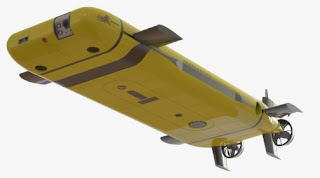
      • ThunderFish AUVs are modular, versatile platforms that can operate autonomously for extended durations.
      • Equipped with Kraken’s SAS sensors, ThunderFish can perform detailed inspection and mapping missions, including pipeline and cable route surveys.
    • Subsea Batteries & Power Systems
      • Kraken develops pressure-tolerant, lithium-polymer (Li-Po) batteries suitable for deep-sea operations.
      • Reliable, high-capacity power solutions enable longer-endurance missions for AUVs and ROVs (Remotely Operated Vehicles) engaged in infrastructure security.
    • Data Analytics & AI
      • The company also focuses on software solutions—applying AI and machine learning to automatically detect, classify, and even predict potential hazards or anomalies on the seafloor.
  3. Applications in Protecting Undersea Cables and Pipelines

    • Inspection & Early Threat Detection
      • Kraken’s high-resolution sonar imagery can identify disruptions—such as shifts in the seabed, signs of external damage, or objects placed near cables—that might indicate sabotage or potential hazards.
      • These capabilities allow operators to respond proactively before small issues escalate into larger crises.
    • Regular Monitoring & Maintenance
      • By conducting periodic surveys using towed or autonomous vehicles, governments and private cable consortia can ensure real-time situational awareness of critical subsea infrastructure.
      • This continuous monitoring helps detect natural wear-and-tear or environmental factors (e.g., fishing nets, anchors) that commonly damage cables.
    • Post-Incident Investigation
      • In the event of a suspected sabotage or accident, Kraken’s sensors can provide forensic-level detail, aiding in attributing causes and improving defensive measures in the future.
    • Mine-Countermeasure (MCM) Cross-Over
      • Many of Kraken’s technologies, originally designed to detect naval mines, translate directly into undersea infrastructure protection—both involve detecting small, often concealed objects on or near the seabed.
  4. Partnerships and Customers

    • Defense & Security: Kraken has collaborated with various NATO navies—including the Royal Canadian Navy and the U.S. Navy—on advanced sonar and unmanned systems. These relationships attest to the defense-grade robustness of Kraken’s solutions.
    • Commercial Sector: The company supports offshore energy firms (oil & gas, wind farms) with pipeline, cable, and seabed surveys.
    • Research & Innovation: Kraken often partners with academic institutions and research labs (e.g., Memorial University of Newfoundland) to enhance sensor technology and AI-driven analytics.
  5. Notable Milestones

    • Contracts & Trials: Kraken has won multiple competitive contracts for delivering SAS technology and underwater vehicles to international naval forces, highlighting growing global demand for high-resolution seabed intelligence.
    • Acquisitions & Growth: In 2021, Kraken acquired PanGeo Subsea, a move that expanded their offerings into sub-bottom imaging—useful for detecting buried objects or evaluating seabed conditions that can threaten cables and pipelines.
    • Innovation Accolades: The company’s SAS systems have received recognition for redefining cost-effectiveness, resolution, and scalability in underwater surveying.
  6. Strategic Relevance in Undersea Cable Protection

    • As countries recognize the vulnerability of undersea infrastructure—ranging from data cables to oil and gas pipelines—Kraken Robotics stands out for its advanced sonar imaging and autonomous platforms.
    • The ability to map the seabed in high detail—and to do so efficiently over large areas—creates a deterrent effect (making it harder for saboteurs to go undetected) and enables rapid response to any incident.

Key Takeaways

  • Cutting-Edge Sonar & Robotics: Kraken Robotics has built a reputation around Synthetic Aperture Sonar (SAS) and robust underwater vehicles, both essential to surveil and safeguard critical undersea assets.
  • Detection & Prevention: Their technology allows defense and commercial operators to identify threats, perform routine maintenance, and investigate incidents with unprecedented clarity and efficiency.
  • Global Demand: As geopolitical tensions and concerns about sub-sea sabotage grow, Kraken’s solutions continue to gain traction with navies, government agencies, and private consortia alike.

In sum, Kraken Robotics offers a full spectrum of tools—from advanced sonar sensors and autonomous vehicles to specialized analytics—that empower nations and industries to protect and monitor undersea cables, pipelines, and other maritime infrastructure!

Besides the Royal Canadian navy, Kraken has signed contracts with several other NATO Navies as well as infrastructure companies who lay and operate the cables and pipelines.

This technology addresses a rapidly rising need in modern security and commerce.


Ed Note:

Full disclosure: We bought Kraken Robotics shares today!

Update:


ST. JOHN’S, NEWFOUNDLAND, February 26, 2025 /GLOBE NEWSWIRE/ — Kraken Robotics Inc.(TSX-V: PNG, OTCQB: KRKNF) announces that it has received new orders totaling $34 million for SeaPower™ pressure tolerant batteries from three clients. In addition, Kraken has signed a lease to open a new battery production facility in Nova Scotia to meet rising defense market demand for uncrewed underwater vehicles (UUVs).

“With the emergence of new larger classes of UUVs and greater adoption of these platforms in naval fleets, reliable subsea power requirements are increasing,” said Greg Reid, President and CEO of Kraken Robotics. “These new orders illustrate the robust customer demand we have for Kraken’s SeaPower batteries across the U.S., Europe, and Asia Pacific.”

One order, totaling $31 million, represents Kraken’s largest battery order to date. The client, who cannot be named at this time, provides UUVs to the defense industry. Two commercial clients with UUVs also placed orders totaling $3 million

Further Update: June 24 2025

Did Desjardin just Release the Kraken? - Kraken Robotics Investment and Business Report (June 2025)

Tuesday, January 28, 2025

In Quantum computing leadership, both IONQ and Quantinuum platforms are on the short list of best-in-class quantum hardware available today.


Below is a high-level comparison of Quantinuum and IonQ—two of the leading trapped-ion quantum computing companies—covering their core technologies, recent advances, and some performance/roadmap indicators. While both are considered top-tier in trapped-ion quantum computing, they have slightly different architectures and strategic focuses that can make direct comparisons challenging.


1. Core Technology: Both Use Trapped Ions, but Different Architectures

  • Trapped-Ion Technology
    Both Quantinuum (formerly Honeywell Quantum Solutions plus Cambridge Quantum) and IonQ build quantum processors using arrays of ions held in electromagnetic traps. Ions are manipulated with lasers (or other electromagnetic fields) to perform quantum logic gates.

  • Architecture Differences

    • Quantinuum (Honeywell Legacy Design)


      • Uses a “QCCD” (quantum charge-coupled device) architecture, physically shuttling ions among different zones in a microfabricated trap.
      • Typically uses Ytterbium (Yb+^+) and sometimes other ions for operations like cooling or readout.
      • Employs sophisticated vacuum and control systems—originally drawing on Honeywell’s decades of precision controls expertise in aerospace and industrial settings.
      • Known for a relatively high gate fidelity (particularly for two-qubit gates) and an emphasis on mid-circuit measurements and robust error mitigation.

    • IonQ (University of Maryland / Duke Spin-Out)


      • Also uses Yb+^+ ions for qubits, with separate ions for cooling, or sometimes the same species for a “universal” approach.
      • Early chips primarily arranged ions in a linear chain (also known as a “linear Paul trap”), with lasers addressing specific ions rather than shuttling ions around many different zones.
      • IonQ has also introduced new architectures (e.g., IonQ Forte) that improve addressability and coherence.
      • Known for strong single- and two-qubit gate fidelities, emphasis on “algorithmic qubits” as a performance metric, and smooth integration with major cloud platforms (AWS, Azure, Google Cloud).

Key Similarities:
Both rely on trapped-ion qubits, which inherently have long coherence times, high gate fidelities, and all-to-all connectivity (ion qubits can in principle be entangled with any other qubit in the chain). Both companies see trapped ions as a scalable platform, although scaling pathways differ somewhat (shuttling vs. more sophisticated linear arrays or modular “networking” approaches).


2. Performance Metrics & Technological Milestones

Gate Fidelity and Error Rates

  • Quantinuum:

    • Publicly reported two-qubit gate fidelities in the 99.7–99.9% range (or better), which is among the highest in the industry.
    • Demonstrated large quantum volumes (e.g., hitting a quantum volume of 2,048 on Model H1, then 4,096, etc.).
    • Supports mid-circuit measurement and qubit reuse, valuable for certain quantum algorithms and error-correction protocols.
  • IonQ:

    • Also reports two-qubit gate fidelities in the high 99% range (e.g., 99.5–99.9%).
    • Has highlighted “algorithmic qubits” (a performance metric factoring in gate fidelity, qubit count, and circuit depth), reporting achievements such as 25–29 algorithmic qubits on IonQ Aria or IonQ Forte.
    • Claimed quantum volumes up to 2,048 or 16,384 on certain systems, depending on specific measurement and error-mitigation techniques used.

Comparability:
Because there is not a single, universally standardized benchmark that everyone measures identically, IonQ and Quantinuum each highlight different headline numbers. Both are in a similar high-fidelity range for small-to-medium qubit counts, making them arguably the two most advanced trapped-ion hardware platforms commercially accessible today.


Qubit Count and Scaling Approaches

  • Quantinuum:

    • System Model H1, H2, etc. typically run with a register up to 20+ fully controllable qubits (some references to a roadmap targeting 100+ qubits).
    • Relies on moving ions to different trap zones for gating and measurement. This offers flexibility but also engineering complexity.
    • Plans to scale via improved chip designs—larger traps, more zones, better yields—and eventually by linking multiple traps.
  • IonQ:

    • Commercially available systems (IonQ Harmony, IonQ Aria) range from ~11–23 qubits in operational registers, with new releases (IonQ Forte) aiming at 30+ effective qubits and improved fidelity.
    • IonQ speaks of a “modular architecture” for scaling beyond ~100 qubits, potentially networking multiple traps or modules.
    • IonQ is more public with roadmaps (given it is a public company), projecting hundreds and eventually thousands of qubits over the coming years.

Comparability:
Trapped-ion systems do not simply chase “qubit count” in the same sense as superconducting qubit platforms (e.g., IBM or Rigetti). Both IonQ and Quantinuum put emphasis on quality (fidelity) and connectivity. In practical terms, each currently offers tens of qubits at high fidelity—still among the best in the industry for executing near-term quantum algorithms.


Software Integration and Ecosystem

  • Quantinuum:

    • Has the full integration of Cambridge Quantum for software, including the TKET compiler and specialized tools for quantum chemistry, cryptography, and more.
    • This broad software stack helps in building end-to-end solutions, from hardware to advanced algorithms and software frameworks.
  • IonQ:

    • Focuses strongly on cloud accessibility—available on AWS Braket, Microsoft Azure, Google Cloud, etc.
    • Maintains partnerships with major enterprise and academic users.
    • Provides developer-friendly interfaces via Qiskit, Cirq, PennyLane, and other standard frameworks.

Comparability:
Quantinuum’s in-house software resources are extremely robust due to the Cambridge Quantum lineage (notably in quantum chemistry, quantum cryptography, and error correction). IonQ, as a public company, has cultivated broad developer access across big cloud platforms, which has contributed to wide adoption for experimentation.


3. Which Is “Most Advanced,” and Why?

Bottom line: They are both considered front-runners in trapped-ion quantum computing. Deciding which is “most advanced” depends on which metrics or capabilities one values most:

  1. Highest Gate Fidelity or Quantum Volume?

    • Both claim gate fidelities in the 99.7–99.9% range. Depending on how quantum volume is measured, IonQ or Quantinuum has posted leading benchmarks.
  2. Software Stack and Mid-Circuit Capabilities

    • Quantinuum is renowned for advanced mid-circuit measurements, qubit reuse, and a deep software stack from Cambridge Quantum. This can be a key differentiator for cutting-edge quantum algorithm research.
  3. Public Visibility vs. Proprietary Developments

    • IonQ is a publicly traded company and thus discloses more about business strategy and technical roadmaps.
    • Quantinuum (majority-owned by Honeywell) may be more conservative publicly about certain performance details, but is often recognized for having extremely high-fidelity systems and integrated solutions.
  4. Scaling Roadmaps

    • Both ultimately aim to scale trapped-ion systems to hundreds or thousands of qubits.
    • IonQ has made bold projections in investor materials; Quantinuum likewise outlines multi-hundred-qubit systems in coming generations but is less public about exact timelines.

In practical near-term usage, both IonQ and Quantinuum already enable developers and researchers to run quantum circuits with some of the best fidelity available in the market. In “raw technology,” both are in the top tier—neither has a definitive, absolute lead across all metrics. However, many researchers see Quantinuum’s integrated hardware/software approach (and mid-circuit measurement capabilities) as especially advanced. Others point to IonQ’s consistent improvements in “algorithmic qubits” and public scaling plans as equally impressive.


4. Conclusion

Quantinuum and IonQ share the same fundamental trapped-ion technology approach, but they differ in architectural details (QCCD vs. linear arrays), business models (part of Honeywell vs. publicly traded startup), and communication strategies (deep in-house software stack vs. broad cloud integration). Both excel in:

  • High-fidelity gates
  • All-to-all qubit connectivity
  • Accessible cloud-based quantum computing

Who is “better”? At present, both are considered leaders; each pushes performance frontiers and invests heavily in R&D. The decision of “most advanced” will hinge on the specific measurement or capability a user needs—IonQ might appear ahead in certain published metrics, while Quantinuum might lead in mid-circuit operations, holistic software integration, or enterprise-grade reliability. Ultimately, either platform is on the short list of best-in-class quantum hardware available today.

Most Recent news:

 In January 2025, IonQ completed the acquisition of Qubitekk, a prominent quantum networking company. This acquisition integrates Qubitekk's advanced technology and extensive patent portfolio into IonQ's operations, solidifying its position in quantum networking and computing.

Related Articles:

What is "Quantum Ai" and which companies are best positioned to develop and prosper from this cutting edge, new age, technology!


From Humanoid Robots to Androids - It's only a matter of time!


Specialized robotic forms (e.g., wheeled platforms, robotic arms, quadrupeds) will likely continue to dominate in many industrial and service applications where cost-efficiency is paramount. Humanoid robots, however, remain compelling in scenarios that benefit from human-centric design and environments. While it’s possible non-humanoid forms will replace certain use cases originally envisioned for humanoids, the humanoid design isn’t going away—especially for tasks requiring human-like dexterity or operation in spaces built for people.


Why Specialized Forms Often Prevail

  1. Cost & Complexity


    • Fewer Degrees of Freedom: A wheeled or tracked robot is mechanically simpler than a bipedal humanoid.
    • Lower Production Costs: Manufacturing specialized robots at scale can be far cheaper than building a complex humanoid that needs multiple actuators, joints, sensors, etc.
  2. Task-Specific Efficiency


    • Targeted Design: A logistic “tugger” robot, for example, can carry significantly heavier loads more reliably than a humanoid that walks.
    • Energy Consumption: Wheeled or tracked platforms typically use less energy for locomotion than walking bipeds.
  3. Rapid Deployment

    • Specialized robots can often be deployed more quickly in well-defined environments.
    • By contrast, humanoid robots must handle the complexity of maintaining balance, traversing uneven terrain, and interacting with a variety of objects in a human-like manner.

Why Humanoids Still Matter

  1. Human-Centric Infrastructure

    • Most buildings, tools, and workspaces are designed for the average human form, with doorways, steps, and equipment sized for human arms and reach.
    • A humanoid robot can, in theory, drop into a human’s role without requiring a facility overhaul (e.g., operating a standard forklift, climbing stairs, using door handles).
  2. Dexterous Manipulation

    • Many tasks require a human-like hand to manipulate objects, from turning knobs to pressing buttons or lifting irregularly shaped items.
    • While specialized grippers can handle repetitive tasks, a humanoid’s multi-fingered hand can handle greater variety.
  3. Multi-Purpose Adaptability

    • A humanoid platform can pivot between tasks more easily than a dedicated machine. Think of a humanoid that one minute stocks shelves, the next minute guides a customer.
    • As AI improves, a single humanoid could potentially learn and adapt to dozens of tasks within the same environment.
  4. Public & Social Acceptance


    • People tend to respond more intuitively to human-like robots in certain settings (e.g., hospitality, healthcare).
    • While not strictly an engineering advantage, social acceptance and engagement can be critical to user adoption.

Likely Future: A Mix of Forms

  • Dominance of Specialized Robots: For large-scale logistics, manufacturing, and repetitive tasks, specialized machines (robotic arms, autonomous wheeled robots, automated guided vehicles) will remain cheaper and more efficient.
  • Humanoid Robots in Niche/High-Value Roles: Humanoids will be used in tasks requiring adaptability, human-centric interaction, or operation in existing unaltered environments (like older buildings or homes).
  • Hybrids & Modular Designs: We may see robots that can switch locomotion modes—e.g., wheels for smooth surfaces but upright bipedal movement for navigating steps or narrow passages.

Conclusion

It’s true that non-humanoid forms are often more cost-effective and easier to produce for very specific industrial tasks, so they may replace or outcompete humanoids in many short-term commercial applications. However, the humanoid form has enduring advantages in human-designed spaces and in complex, varied tasks—particularly as AI and dexterous hardware improve. Thus, we’re likely to see a coexistence of specialized robots for routine processes alongside humanoid robots for roles that demand the flexibility and familiarity of a human form.

Related Articles:

Androids, Humanoid Robots, whatever the label, they are coming. Now, Who is leading the charge into this lucrative, futuristic market?


Why we bought GitLab Shares! Consistent "growth" and an expanding enterprise customer base.


GitLab Inc. (NSDQ: GTLB) – Business Report

1. Executive Summary

GitLab Inc. is a leading provider of a complete DevOps platform, enabling software development, security, and operations teams to collaborate effectively. Founded on an open-source core in 2011 and incorporated in 2014, GitLab’s “single application” strategy differentiates it from competitors, driving consistent growth and an expanding enterprise customer base.


2. Recent Stock Performance

  • Ticker: GTLB - 71.85 at this writing
  • Market Cap
    $10.5B
    Shares Outstanding 162.3M
    P/E Ratio -221.7x
    Price/Sales (TTM) 14.8
    Operating Margin -23.48%
  • Revenue (TTM) $711.6M

Valuation Considerations

  • Price-to-Sales (P/S) Ratio: As a high-growth tech stock, GitLab typically exhibits a premium P/S ratio compared to more established software peers. Investors pay attention to revenue growth rates and net retention as key indicators of whether the premium is justified.
  • Forward-Looking Metrics: Analysts often look to GitLab’s Annual Recurring Revenue (ARR) and Dollar-Based Net Retention Rate to gauge the sustainability of growth.

3. Analyst Recommendations

While individual analyst opinions vary, recent consensus trends include:

  • Strong Buy/Outperform Ratings: Many analysts are bullish, pointing to GitLab’s strong revenue growth, expanding enterprise adoption, and high net retention.
  • "Artificial intelligence will likely remain a "compelling secular theme" in 2025, but GitLab appears to be strides ahead of the competition", Macquarie analyst Steve Koenig said. 
  • He reiterated an Outperform rating on the stock and named it his top software pick for the year.

    Koenig maintains a price target of $90 on the shares, indicating a potential upside of 47% and is joined in that assessment by other analysts

Key Factors for Analyst Optimism

  1. Sticky Business Model: DevOps tools integrate deeply into development processes, leading to high switching costs.
  2. Upsell Potential: GitLab’s suite of security, compliance, and collaboration tools encourages customers to upgrade to higher-tier subscriptions.
  3. Remote-First Culture: Expansive talent acquisition across regions fuels innovation and operational efficiency.

4. Technology Advances

GitLab differentiates itself by offering a single, integrated DevOps platform covering:

  1. Source Code Management (SCM): Based on Git, with robust version control and collaboration features.
  2. Continuous Integration/Continuous Delivery (CI/CD): Automated pipelines for building, testing, and deploying applications.
  3. Security & Compliance (DevSecOps): Tools for Static Application Security Testing (SAST), Dynamic Application Security Testing (DAST), container scanning, and more—seamlessly integrated into the CI pipeline.
  4. Observability & Monitoring: Integrations with logging and monitoring tools; fosters proactive performance tracking.
  5. Planning & Collaboration: Issues, merge requests, wikis, and other project management features for distributed teams.

Notable Technological Innovations

  • Kubernetes Integration: Direct integration with Kubernetes clusters supports streamlined container-based deployments and rollbacks.
  • AI and Automation: Continuous improvements in automation (including some AI-driven code suggestions) reduce manual overhead in testing, security scanning, and code reviews.
  • Open Source & Extensions: Large developer community extends GitLab with custom runners, plugins, and integrations, accelerating platform enhancements.

5. Partnerships and Ecosystem

GitLab actively cultivates partnerships to bolster its ecosystem and reach:

  1. Cloud Providers: Collaborations with Amazon Web Services (AWS), Google Cloud Platform (GCP), and Microsoft Azure, making it easier to deploy and manage GitLab within cloud-native infrastructures.
  2. Technology Alliances: Integrations with Atlassian, VMware, Red Hat, and others in the DevOps and security domains.
  3. Systems Integrators & Consulting Firms: Strategic relationships with global consultancies (e.g., Deloitte, Accenture, etc.) to drive adoption among large enterprises undergoing digital transformation.
  4. In 2024, GTLB reported a strong year-on-year revenue growth of 33%, highlighting their continued business momentum. GitLab's CEO, Sid Sijbrandij, mentioned that large enterprise customers are standardizing on GitLab. They've also seen a 31% increase in customers with Annual Recurring Revenue (ARR) of over \$100,000. 
  5. These new customers span various industries, using GitLab's AI-powered DevSecOps platform to improve their software development efficiency and security. Some examples:
    • NVIDIA:  uses GitLab to support their innovative projects in AI and graphics.

    • Siemens: Utilizes GitLab in their digital industries division for efficient project management and DevSecOps.

    • Airbnb: Employs GitLab for streamlined development workflows and security integrations.

    These companies leverage GitLab's robust features to enhance their software development processes and maintain high security standards.

These partnerships increase GitLab’s visibility in enterprise transformation projects and create synergy with complementary products and services.


6. Key Clients and Customer Base

GitLab’s clients range from small startups to Fortune 500 enterprises. While not all customers are publicly disclosed, notable examples have included:

  • Technology & Software: NVIDIA, IBM, and other large-scale software-driven enterprises seeking robust DevOps pipelines.
  • Financial Services: Multiple leading banks and fintech firms that prioritize compliance, security, and auditability.
  • Telecommunications & Media: Companies like T-Mobile and Ticketmaster (publicly mentioned in various case studies), leveraging GitLab for CI/CD in high-transaction environments.
  • Public Sector Organizations: Various government and educational institutions adopting DevOps for modernizing IT infrastructure.

Customer Retention & Upselling: GitLab boasts strong dollar-based net retention rates, indicating existing customers often expand their usage by adding more users, projects, or upgrading to premium tiers.


7. Growth Prospects

Several factors underpin GitLab’s positive growth outlook:

  1. Growing DevOps Market: As DevOps adoption continues to accelerate, GitLab is well-positioned to capture new customers with its integrated platform.
  2. DevSecOps Demand: Security integration within development pipelines is a priority for enterprises, presenting opportunities for GitLab’s advanced security features.
  3. Remote-First Advantage: GitLab’s all-remote model enables access to global talent, reduced overhead, and a well-documented operational playbook.
  4. Expansion into Compliance & Observability: Potential for adding compliance-driven workflows (e.g., regulated industries) and deeper observability features to compete in adjacent markets.
  5. Enterprise Upselling: Large corporations, once committed to GitLab’s platform, often scale usage across divisions, driving ARR growth.

8. Risks and Considerations

  • Competition: Microsoft’s GitHub, Atlassian’s Bitbucket, and other emerging DevOps tools may create pricing pressure and slow market share gains.
  • Macro Environment: Economic slowdowns can lead to tightening IT budgets, possibly lengthening sales cycles for new contracts.
  • Valuation Risks: High-growth technology stocks can experience volatility, and GitLab’s valuation depends heavily on future revenue expansion and profitability trajectory.
  • Open-Source Challenges: Balancing community-driven innovations with commercial offerings requires careful product differentiation and license management.

9. Conclusion and Outlook

GitLab stands out in the DevOps market due to its single-platform approach, robust security features, and strong developer community. Many analysts remain bullish, citing positive revenue trends and high customer retention. Its partnerships with major cloud providers and consultancies, along with an expanding set of enterprise clients, underscore GitLab’s foothold in mission-critical software delivery processes.

Despite potential competition and valuation concerns, the long-term fundamentals—driven by continuing digital transformation and DevOps adoption—suggest GitLab is poised to remain a key player in the enterprise software arena.


Disclaimer

This report is for informational purposes only and does not constitute financial or investment advice. Investors should conduct their own research, consult with professional advisors, and review the latest filings (e.g., Form 10-K, 10-Q) before making any investment decisions. Stock prices and valuations can fluctuate significantly, and the data presented here may be out of date. Always refer to real-time financial information and official company disclosures.

Wednesday, January 22, 2025

Who might be interested in Acquiring Chargepoint's EV charging network?

 Feb 11th 2025

We have been "Stopped out" of Chargepoint shares.

O U C H !!! Sometimes speculation can hurt! (even if it's just 1% of your portfolio)

However, the article remains to see what happens. CHPT moved to our watch list for now!


This articles is speculative as, there’s no concrete evidence or official announcement that ChargePoint is on the block or that any particular company has definitive plans to buy them

With that said, here’s how one might reason about who could be most interested and best positioned to acquire ChargePoint:


1. BP

  • Why BP?

    • BP has already made several moves in EV charging—e.g., acquiring Chargemaster (now BP Pulse) in the U.K. and AMPLY Power in the U.S.
    • They have a strategic objective to diversify into lower-carbon businesses.
    • Synergies: BP can integrate ChargePoint’s network and technology with its vast global fuel retail footprint, particularly in North America where ChargePoint is strong.
  • Why It Makes Sense

    • Instant Scale: ChargePoint’s extensive network would give BP an immediate, top-tier presence in the U.S. EV charging market.
    • Shareholder Pressure: As BP transitions to an “integrated energy company,” a big EV charging acquisition is a visible commitment to that strategy.

2. Shell

  • Why Shell?

    • Shell has been aggressive in the clean energy and EV charging space, acquiring companies like Greenlots in the U.S. and Ubitricity in Europe.
    • Shell’s gas station network and convenience retail model could seamlessly add another major EV charging brand to its portfolio.
  • Why It Makes Sense

    • Global Reach: Shell operates in nearly every corner of the globe, so acquiring ChargePoint would bolster Shell’s expansion of EV charging stations in North America—and potentially integrate ChargePoint hardware/software in other regions.
    • Proven Track Record: Shell has demonstrated it’s willing to buy established charging companies rather than build from scratch.

3. Chevron

  • Why Chevron?

    • Chevron is somewhat late to the EV charging race compared to BP and Shell. It made smaller-scale moves (e.g., partnering with EVgo), but not a blockbuster acquisition yet.
    • If Chevron wants to catch up fast, ChargePoint—with hardware, software, and thousands of locations—would be a big leap forward.
  • Why It Makes Sense

    • Competitive Response: With BP and Shell scaling in EV charging, Chevron might not want to be left behind in the future fueling landscape.
    • U.S. Focus: ChargePoint’s largest market is the U.S., which aligns well with Chevron’s strong North American presence.

4. TotalEnergies

  • Why TotalEnergies?

    • TotalEnergies (formerly Total) is actively investing in renewables and EV charging across Europe. They’ve acquired several smaller charging players and are building out networks in France and beyond.
    • They could see ChargePoint as a chance to expand rapidly in North America—an area they’re not as strong in yet compared to Europe.
  • Why It Makes Sense

    • Diversification: TotalEnergies is rebranding itself as a broad-based energy company. Picking up a major EV charging firm like ChargePoint would bolster that identity.
    • Technology & Software: ChargePoint’s robust cloud-based software platform could be integrated globally with TotalEnergies’ existing networks.

5. Large Utilities or Conglomerates

  • Potential Players: NextEra Energy, Iberdrola, Engie, E.ON, or even Berkshire Hathaway (through its energy subsidiary).
  • Why a Utility?
    • Utilities have a natural link to EV charging—electricity supply is their core business, and installing chargers helps grow their load and services.
  • Why It Makes Sense
    • Grid Integration Expertise: Utilities already manage power distribution, so owning a charging network offers potential vertical integration.
    • Regulatory & Infrastructure Experience: Utilities are used to capital-intensive projects and have relationships with regulators, helping to streamline infrastructure deployment.

6. An Automotive or Tech Giant

  • Potential Players: GM, Ford, or even Amazon.
  • Note: Chargepoint recently partnered with GM to extend their EV charging network)
  • Why an OEM or Tech Firm?
    • GM and Ford (and other automakers) have partnered with third-party charging networks but haven’t outright purchased one of the largest networks.
    • Amazon might be interested in EV charging for its delivery fleet and consumer ecosystem.
  • Why It Makes Sense
    • Vertical Integration: Automakers are increasingly looking to control more of the EV value chain—battery supply, software, and charging infrastructure.
    • Ecosystem Play: A tech giant could bundle EV charging with other services (e.g., Amazon’s logistics and retail ecosystem).

The “Best Positioned” Takeaway

  • BP and Shell arguably have the most well-defined strategies and track records in the EV charging space among oil majors, making them the likeliest candidates if a deal were ever to materialize.
  • Chevron or TotalEnergies might be a close second if they decide to leapfrog organically building a U.S. network.
  • Utilities or Tech Giants could be surprise acquirers, but they’d have to justify an acquisition of ChargePoint’s scale and align it with their core business models.

In the end, any prospective buyer would be looking for:

  1. Immediate Scale and Network: ChargePoint is one of the largest EV charging networks, particularly in North America.
  2. Brand and Technology: ChargePoint’s software, hardware, and partnerships (with businesses, municipalities, and fleets) would save an acquirer years of development time.
  3. Strategic Fit: Whether it’s an oil major pivoting to renewables, a utility expanding its electric footprint, or an OEM/tech giant securing charging for its customers, each potential acquirer must see a clear path to synergy and long-term ROI.

Again, all of this is speculative—but from a strategic standpoint, BP or Shell are commonly viewed as the most logical suitors if (and it’s a big “if”) ChargePoint were ever up for sale.

ED Note: Full Disclosure

We have been accumulating CHPT shares!


Monday, January 20, 2025

Androids, Humanoid Robots, whatever the label, they are coming. Now, Who is leading the charge into this lucrative, futuristic market?


Humanoid Robots / Androids: A 2025+ Business & Investment Report

1. Executive Summary

The humanoid-robot (or “android”) sector has moved from futuristic demonstration projects into serious R&D and early-stage commercialization. Continuous improvements in artificial intelligence, battery technology, and materials science have created a convergent point where mass production is on the horizon. This report outlines the key players, potential use cases, market drivers, and financial snapshots of the publicly traded companies most involved in developing humanoid robots.


2. Leading Companies (Ranked by Commercial Readiness & Technological Progress)

  1. Tesla (NASDAQ: TSLA)

    • Flagship Robot: Tesla Bot (“Optimus”)

    • Why #1? Strong manufacturing track record, advanced battery expertise, and vocal commitment from Tesla’s leadership to deploy humanoid robots in industrial environments. The company’s large AI/Autopilot team provides synergy for real-time control and perception.
  2. Boston Dynamics (Majority-Owned by Hyundai Motor Group, KRX: 005380)

    • Flagship Robot: Atlas

    • Why #2? Boston Dynamics leads in agility and mobility for humanoid robots. However, historically, they have been slow to commercialize. Hyundai’s ownership could accelerate production capabilities—yet their path to mass production remains more cautious.
  3. Xiaomi (HKEX: 1810)

    • Flagship Robot: CyberOne (prototype)

    • Why #3? Xiaomi’s deep roots in consumer electronics and its extensive supply chain might allow it to scale quickly if (and when) it decides to commercialize CyberOne. However, the robot remains in conceptual stages, indicating a longer timeline.
  4. SoftBank Robotics (Subsidiary of SoftBank Group, TYO: 9984)

    • Key Robots: Pepper, NAO (social robots)

    • Why #4? Although SoftBank’s Pepper and NAO are not full humanoids on par with Atlas or Optimus, SoftBank has experience in producing robots at scale. With the right pivot, the group could expand into more advanced humanoid platforms.
  5. Others (Privately Held / Early-Stage)

    • Engineered Arts (Ameca)

    • Hanson Robotics (Sophia)

    • Apptronik (Apollo)


      These companies are developing sophisticated platforms but remain private or in earlier phases of commercialization. While they showcase impressive technology, they are not directly open to public market investment (as of early 2025).

3. Most Promising Mass Production Prospects

  1. Tesla

    • Production Advantage: Proven global factory network (in the U.S., China, Germany, etc.), advanced supply chain management, and battery manufacturing expertise.
    • Stated Goal: Elon Musk has signaled a plan to deploy Tesla Bot first in Tesla factories for routine tasks, potentially scaling to consumer uses.
  2. Hyundai Motor Group (Boston Dynamics)

    • Production Advantage: A major automotive manufacturer with strong industrial capabilities.
    • Potential: Could pivot from R&D to mass production if a clear commercial application is identified (e.g., manufacturing, logistics, healthcare).
  3. Xiaomi

    • Production Advantage: Known for producing high volumes of cost-competitive consumer electronics.
    • Potential: If Xiaomi invests heavily into robotics, it could leverage existing electronics and hardware supply chains, but the path to a robust humanoid is still nascent.

4. Use Cases for Humanoid Robots

  1. Industrial & Manufacturing

    • Repetitive / Hazardous Tasks: Welding, assembly, material handling in factories.
    • 24/7 Operation: Potential to run around the clock with proper maintenance, reducing costs.
  2. Logistics & Warehousing

    • Picking and Packing: Tasks that require human-like mobility and dexterity.
    • Automated Inventory Checks: Vision-guided robots can navigate aisles and catalog products.
  3. Service & Hospitality

    • Customer Interaction: Reception, information desks, basic concierge tasks.
    • Entertainment: Theme parks, advertising, or brand engagement.
  4. Healthcare & Elder Care (Longer-Term)

    • Patient Assistance: Helping move patients, assist nurses, or provide companionship.
    • Household Tasks: Potentially assisting the elderly or disabled with daily living activities.
  5. Research & Education

    • Human-Robot Interaction: Universities and labs exploring advanced AI, robotics, and ethics.
    • Demonstration Platforms: Showcases for next-gen robotics in STEM education.

5. Why This Market Is Worth Pursuing

  1. Rising Labor Costs & Shortages

    • Many developed nations face workforce shortages in manufacturing, logistics, and elder care. Humanoid robots can fill labor gaps for routine or physically demanding tasks.
  2. Rapid Advancements in AI

    • Large language models, computer vision, and sensor fusion systems enable robots to perceive and act more autonomously, increasing their utility and reducing the need for custom programming.
  3. Cost Reduction from Scale

    • As robotics manufacturing matures, component costs (motors, sensors, processors) continue to drop, making the entry price more attractive for businesses seeking automation.
  4. Potential for Wide Adoption

    • The concept of a general-purpose robot—capable of multiple tasks—expands far beyond the traditional limitations of fixed industrial robotics.
  5. Investor Appeal

    • Robotics is a high-growth, high-visibility sector that often commands premium valuations. Early involvement in leading companies can yield significant returns if mass adoption materializes.

6. Financial Snapshots (Publicly Traded Leaders)

Below are approximate figures and highlights as of Q1 2025. (Historical data from public sources; forward-looking figures are estimates.)

Tesla (NASDAQ: TSLA)

  • Market Cap: Often in the range of USD 700–900 billion (fluctuates with market conditions).
  • Revenue (Trailing 12 Months): Over USD 120+ billion, primarily from EV sales, energy storage, and services.
  • R&D Expenditure: Estimated at ~5-7% of revenue, a portion now directed toward Optimus/Bot development.
  • Key Investment Note: Tesla’s robotics initiative is still a small part of total operations, but strategic leadership sees it as a future growth area.

Hyundai Motor Group (KRX: 005380)

  • Market Cap: Typically in the range of USD 35–50 billion (converted from KRW), depending on the unit of Hyundai in question (Hyundai Motor Company, Hyundai Mobis, etc.).
  • Revenue (Trailing 12 Months): Over USD 100+ billion across all automotive businesses.
  • R&D Expenditure: Hyundai invests billions annually in advanced tech; the portion allocated to Boston Dynamics is not separately detailed but is significant.
  • Key Investment Note: Boston Dynamics is not yet a large revenue driver but is a high-tech asset for Hyundai’s future robotics ambitions.

Xiaomi (HKEX: 1810)

  • Market Cap: Historically in the range of USD 40–60 billion.
  • Revenue (Trailing 12 Months): Often exceeding USD 50+ billion, primarily from smartphones, IoT devices, and internet services.
  • R&D Expenditure: A significant chunk is directed at electronics and software development; robotics is still a small but potentially growing slice.
  • Key Investment Note: Xiaomi’s robotics ambitions are nascent. If CyberOne or future android initiatives mature, Xiaomi could leverage its massive electronics ecosystem for rapid scaling.

SoftBank Group (TYO: 9984)

  • Market Cap: Historically in the range of USD 50–70+ billion (exchange-rate dependent).
  • Revenue (Trailing 12 Months): Over USD 40+ billion across telecom, investment, and tech holdings.
  • R&D & Investment: SoftBank is known more for large-scale tech investments (e.g., Vision Fund) rather than direct R&D. SoftBank Robotics (Pepper, NAO) could expand or pivot with enough internal capital.
  • Key Investment Note: SoftBank’s robotics revenues are relatively modest vs. broader group revenues, but there is potential if they decide to scale advanced humanoid platforms.

7. Strategic Outlook & Considerations

  1. Timeline Uncertainties: The gap between a compelling prototype and full-scale mass production can be substantial. Investors should be mindful of potential delays in product readiness, regulatory issues, and demand uncertainties.

  2. Competitive Dynamics: Specialized robotics companies (private or public) may emerge or partner with established manufacturers, posing either competition or M&A opportunities for the market leaders.

  3. Regulatory & Societal Impact: Worker displacement, ethical concerns, and robotics safety standards will shape how fast humanoid robots can be deployed in certain regions or industries.

  4. Partnership Opportunities: Automakers, tech giants, and AI firms may form alliances to spread R&D costs and accelerate time to market.

  5. Market Size: Conservative estimates see the humanoid robot market (and related services) potentially reaching tens of billions of USD in annual revenue by the 2030s, primarily driven by industrial and service robots.


8. Conclusion

Humanoid robots are at a pivotal stage. As of 2025, Tesla leads in potential mass production, Boston Dynamics/Hyundai are top in advanced locomotion and robotics R&D, Xiaomi shows promise with consumer-electronics scale, and SoftBank remains influential as a tech investor and producer of social robots. The sector’s future hinges on bringing production costs down, improving AI-driven autonomy, and successfully identifying (and serving) large-scale commercial applications.

For investors, the opportunity is significant but carries inherent technology, execution, and adoption risks. The potential payoff lies in capturing a slice of a transformative market—one that could redefine labor, service, and industrial operations for decades to come.


Final Note: Monitoring corporate disclosures, investor calls, and prototype demonstrations will be critical to staying informed. As with any emerging technology, the early winners may be those with deep pockets, top-tier engineering, and a clear path to practical use cases.

Related Articles:

Robots and Automation - From factory bots to Robo Taxis and Humanoids. Who are the leading companies?